water heater

Is It Time For A Water Heater Replacement?

water heaterIt can be difficult to decide whether to buy a water heater for your home if your existing unit is working. However, in certain cases, water heater replacement may be the best option. This will allow you to save money in ways that you didn’t know. There have been many instances when homeowners have discovered that water heater replacement is far more cost-effective than keeping the old heater. We will be discussing some ways to know when it is time for a water heater replacement in your home. Let’s take a look at the reasons why you might want to replace your water heater.

Your water heater is getting old

Water heaters can be used continuously for eight to 12 years. Even though your heater may seem to be performing well, it is time to replace it. It doesn’t matter how well-maintained a water heater is, once it’s been in use for 10 years you can expect it will start to malfunction and need more costly repairs. It’s best to avoid costly repairs by replacing your water heater with a new one.

Your Tank Has Started Leaking

It is nearly impossible to repair a water heater tank that has sprung leakage. It is time to look for a replacement water heater. You could spend more on plumbing repairs than buying a new heater to repair the damage.

Your water looks rusty

It is not what anyone wants to do, but taking a shower with rusty water just isn’t clean enough. It is possible that your water heater is producing reddish water. This is an indication of rust. This problem can become more serious if it is not addressed immediately. It could lead to leakage and even cause damage to the tank.

Your unit is not as efficient as it used to be

This refers to how hot water is produced. You should look into replacing your water heater if it produces less than lukewarm or runs out of hot water very quickly. This is especially true if your system gets older, which could lead to other problems.

Your gas and power bills keep rising

If your water heater’s health starts to decline and becomes less efficient, your household will need more hot water. You will soon notice an increase in your monthly utility bills. A new water heater in Myrtle Beach will immediately reduce your utility bills. This is one of the best ways to save money.

You have already repaired your unit too many times

You will need to replace your water heater more frequently if it starts to have problems. If the problems become a regular occurrence, it may be worth replacing your water heater. It is a smart idea to consult a professional to assess the cost of a replacement in this situation.

The demand for hot water has increased

Sometimes your family grows and your existing water heater is not enough to provide hot water for your home. A larger water heater might be an option to offset the higher cost. It is always a good idea to consult a professional plumber before making a decision.

Your unit is making strange noises

Water heaters all make noise. This noise is usually made when the heater starts up. It could indicate a serious malfunction. Talk to a professional plumber in Myrtle Beach to have your unit inspected and recommended the best course of action.

A new water heater can be expensive. It is best to replace your water heater before it fails so badly that you have to scramble to find one. It is possible to plan for a large purchase before you have to pay any additional expenses if your heater stops working. Imagine being without hot water for up to a week, or staying in a hotel during winter. It could be the best decision that you make.

It is not a job that should be left to the untrained. This can result in poor installation and early failure of your heater.

Call Blue Ribbon Plumbing LLC now if you need the help of a professional in installing, repairing, or maintaining your water heater.

Like our Facebook page for more great info about plumbing services.

Blue Ribbon Plumbing LLC
4201 Carolina Exchange Drive Suite 202
Myrtle Beach, SC 29579
(843) 267-9733

Home – Myrtle Beach Plumber

Serving all of Horry County including Myrtle Beach, North Myrtle Beach, Little River, Murrells Inlet/Garden City, Surfside Beach, Carolina Forest/Forestbrook, Conway/Aynor
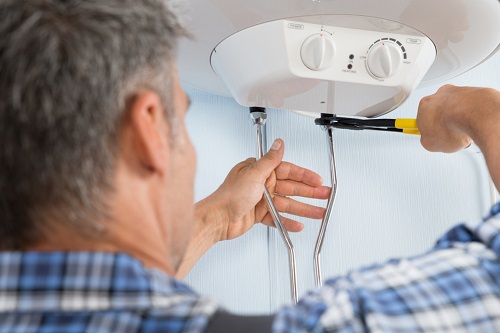
water heater

How To Maintain Your Residential And Commercial Water Heater

water heaterAs a trade professional, you know that the health of your customer’s water heater is highly dependent on proper maintenance. Fortunately, there are several steps you can take to avoid system failure and keep your units in good working order – from regular check-ups to ensure all safety precautions are followed precisely. These preventive measures will help ensure customers have peace of mind knowing they have dependable hot showers for years to come!

Proper and timely maintenance is the key to optimizing water heater performance. With regular upkeep, you can expect an extended life from your appliance. On the other hand, a neglected system may actually be negatively impacted by the flushing of its tank – so it’s best to start caring for your unit right away!

Plumbers, HVAC specialists, and commercial contractors have a unique opportunity to leverage service contracts for residential or commercial tank water heaters. By providing value-added maintenance services that extend the life of these systems, businesses can improve customer satisfaction while delivering greater security against breakdowns – boosting profits in the process!

Maintenance Tips For Water Heaters

Proactivity is key when it comes to caring for a hot water heater. Schedule maintenance at least once every twelve months, with twice-yearly checks as the ideal choice – especially if your customer lives in an area where hard water is prevalent! Scale and mineral build up can degrade components over time, so starting preventive care early on helps ensure optimal performance and longevity of the appliance.

Annual Water Heater Maintenance Tips

To ensure your customers benefit from reliable hot water all year, conduct an annual check-up on their system. Be sure to look out for telltale signs of a malfunction, such as lukewarm baths or discolored H2O – then follow our easy steps to cleanse and flush bacteria before carrying out further maintenance tasks.

To ensure a safe and efficient plumbing maintenance experience, switch off any power or gas sources connected to your water heater before beginning. Additionally, take the time for an initial inspection; look for possible signs of damage, such as leaks, rusting and corrosion, that could lead to further problems.

Getting your water heater up and running correctly starts with checking the expansion tank. If one has not been installed, get a properly pressurized unit. After these basics are taken care of, you can begin cleaning and flushing out sediment-filled tanks that have received regular maintenance or were newly installed equipment – giving them a fresh start!

Show your customers how dedicated you are to providing them with the best service possible by offering proper water heater maintenance regularly. Blue Ribbon Plumbing LLC has all the essential equipment needed, so don’t forget to include it in your checklist! Keeping their water heaters running at optimal performance can help ensure they keep enjoying its benefits for years.

Call Blue Ribbon Plumbing LLC now if you need the help of a plumber in fixing, maintaining, or installing your water heater.

Like our Facebook page for more great info about plumbing services.

Blue Ribbon Plumbing LLC
4201 Carolina Exchange Drive Suite 202
Myrtle Beach, SC 29579
(843) 267-9733

Home – Myrtle Beach Plumber

Serving all of Horry County including Myrtle Beach, North Myrtle Beach, Little River, Murrells Inlet/Garden City, Surfside Beach, Carolina Forest/Forestbrook, Conway/Aynor


water heater

Why is your water heater leaking?

water heaterHomeowners know how destructive a water heater leak can be, but uncovering the source and cause of such leaks is often elusive. However, by having knowledge about where to look for them – homeowners are better positioned than ever before in preventing costly damage from occurring due to these kinds of plumbing issues. Best practice dictates that when one knows what signs they need to keep an eye out for – it becomes much easier not only to fix problems quickly but also to prevent any unnecessary harm or spending down the road!

Plumbers act as advisors to homeowners, providing vital information about a potentially hazardous issue – water heater leaks. Informing them why these occur and the severity of each incident helps distinguish minor issues from more serious ones that require replacement or maintenance. Keeping up with this knowledge allows for responsible obligations in safeguarding any property!

Common Causes of Water Heater Leaks

Homeowners may experience water heater leaks for a variety of reasons, ranging from minor technical issues to complete system replacements. It pays off, in the long run, to err on the side of caution and consult with professional plumbers – they will provide invaluable insight into determining the cause and severity so you can take appropriate action swiftly!

Old tank

The wear and tear of an old tank-style water heater can potentially be disastrous for your home. As the unit ages, essential components dwindle in performance until eventually rust forms within the tank leading to corrosion that produces leaks. To ensure maximum efficiency and protection against unexpected flooding, it is recommended to replace a 15-year+ water heater before reaching its end-of-life cycle threshold.

Drain valve

It’s inevitable that drain valves loosen over time, causing tank leaks and the need for replacement. It can be challenging to determine when a valve is no longer watertight or if it just needs to be tightened – fortunately, homeowners now have access to this information without needing an experienced plumber. While you are still able to take action on home repairs yourself; sometimes getting input from experts in the field helps too!

Too much pressure

Your water heater works hard, but when too much pressure builds up it can cause problems – like a leak. Too-high temperature settings or high incoming water pressures may be to blame for the increased pressure inside your unit and resulting leakage. Protecting against these issues helps ensure you maintain steady hot running water in your home!

Defective pressure relief and temperature valve

Homeowners should keep an eye on their water heaters and be aware of the problems that can arise from a faulty temperature & pressure relief (T&P) valve. If this part is loose, it only needs to tighten; however, if the piece fails altogether then it must be replaced. To reduce any potential stress placed on this component, homeowners should ensure proper tank maintenance in order to lower its internal pressure levels before attempting any plumbing repairs or replacements with regard to T&P valves.

Outlet and inlet connections

Maintaining a water heater can often be time-consuming and complicated, however, there are two simple connections that pose the majority of issues. These include the inlet connection which pumps cold water into your system and an outlet connection from where hot water is expelled. Both become loose over time potentially leading to leaks- so regular checks should always be conducted to limit any potential maintenance problems!

Internal tank

Tank water heaters have a complex construction, consisting of two shells encased by another layer of metal. The external shell insulates the internal shell which holds the precious H2O – but unfortunately, this inner tank is prone to leak due to age and wear & tear. Because these faults are hidden beneath its outer coating, they can be hard for owners to detect unless proactively sought out with routine maintenance checks.

Sediment collection

Over time, the process of sediment accumulation can lead to cracks in your water heater tank and put you at risk for expensive repairs. Regular plumbing maintenance is key; draining out the tank semi-regularly ensures that any collected sediment will be removed before serious damage occurs. This small investment pays off in protecting against costly replacement fees down the road!

Cracked storage tank

Water heaters with extra tanks often use glass to line the interior. Unfortunately, mineral deposits can build up over time and cause cracks in the glass which lead to leaks. Similarly, the rapid expansion of hot water puts undue pressure on these delicate linings – resulting in damage that requires a replacement tank before further harm is done.

Anode rods

The anode rod plays a critical role in protecting your water heater from corrosion. However, when the rod corrodes away, it can create leaks that require the replacement of the entire appliance if left unchecked. Thankfully, replacing a degraded anode rod quickly and promptly removes any risk of potentially costly water damage caused by system leakage.

Prevent water leaks

Timely leak detection is an essential part of preserving your home from damage, but preventative maintenance can give you even greater protection. By taking certain measures to safeguard against potential water heater leaks, homeowners can rest assured that their property and possessions are secure. Quick and easy steps make it simple for anyone to protect their homes – eliminating the risk altogether!

Call Blue Ribbon Plumbing LLC now if you need help fixing your water heaters.

Like our Facebook page for more great info about plumbing services.

Blue Ribbon Plumbing LLC
4201 Carolina Exchange Drive Suite 202
Myrtle Beach, SC 29579
(843) 267-9733

Home – Myrtle Beach Plumber

Serving all of Horry County including Myrtle Beach, North Myrtle Beach, Little River, Murrells Inlet/Garden City, Surfside Beach, Carolina Forest/Forestbrook, Conway/Aynor

water heater

How To Deal With Water Heater Leaks

water heaterDon’t let a leaky water heater catch you off guard- follow these great troubleshooting tips from the plumbing pros to quickly and effectively locate any potential issues!

Dealing With Water Heater Leaks

Remain calm

Even plumbing catastrophes can have a silver lining – by staying calm and taking initiative, you may be able to divert potential water damage. Take this opportunity as an empowering chance to keep the situation in your control until help arrives.  With just some simple steps, temporary plumbing repairs can buy time for professionals to fix the issue permanently.

Find the common leak sources

Have you been noticing a puddle building up around the base of your water heater? If so, it could be an indication that there’s a leak and you may have to call a plumber to fix it. However, before assuming this is the cause and taking further steps to repair the damage, double-check whether or not it’s normal condensation instead. Once confirmed as being due to leaking pipes however, ensure you shut off both your main water supply and also switch off the heater itself prior to draining out any remaining tank contents in order to make repairs – either on your own or with professional help depending on severity & complexity of issue! Typical causes for pipe leakage include faulty valves and technical misalignments amongst others.

Water heater connections are prone to leaks. To check for a leak in your cold-water inlet valve, take note of any dripping water and use a paper towel to wipe the area – if it comes back wet then you’ve unfortunately got an issue on your hands! Your temperature/pressure relief valve acts as a safety feature that opens when the pressure gets too high inside the tank, releasing hot water until levels return to normal. However this system can malfunction, so make sure to watch out for incomplete closure after activation.

Corroded pipe fittings are a common sign of aging water heaters, and can indicate corrosion within the tank itself. Make sure to regularly check your connection points for signs of deterioration – if needed, don’t hesitate to replace your heater!

Turn off the water

Are you dealing with a water heater leak and need to turn off the supply of water? As small leaks can add up quickly, it is important that they are addressed as soon as possible. To stop an impending disaster from occurring, be sure to locate your cold water shut-off valve above your heater or pull down handles if present in your system. If such access proves difficult, however, don’t worry! You may also opt for the main shut-off valve in locations near the hot water heater, garage, or crawlspace – wherever sound home design has placed it specifically for moments like these!

Your home’s main shutoff valve is an important component of your plumbing system, and it may be located either indoors or outdoors. If found outside the house near a street or sidewalk, look for a metal cover to access and twist clockwise with either an adjustable wrench or specific tools such as a meter key—any tightness in old valves should also be regularly tested. Knowing its location can help you easily resolve water issues quickly by cutting off the flow from where they originate. To find yours use your property inspection report, contact the city/home builder; discover peace of mind knowing that no matter what -you’re prepared if needed!

Switch off the heater

With the water shut off, you’re now ready to turn off your heater. Whether powered by gas or electricity, it’s easy to switch things over – just set the thermostat in “pilot” mode if there is a gas connection and locate your breaker box for electric heaters. Remember that hot water can still be present after turning these elements completely off; we suggest waiting at least one night before attempting any further draining procedures for safety purposes!

Drain the water tank

To ensure your water heater is fully emptied and ready for repairs, turn off any hot water taps upstairs and locate the drain valve near its base. Attach a garden hose to that valve before running it somewhere safe like into a floor drain or out towards your driveway. Then open the tank’s drain until all of the contents inside have been safely expelled–a process which typically takes only 10 minutes! After this step has been completed, disconnect both valves as well as close up those opened hot water taps from earlier.

Call a plumber

Leaks don’t have to spell disaster. For certain problems, you may be able to fix them yourself by tightening the nut that connects to the valve’s handle. However, for more complex issues such as faulty temperature/pressure relief valves or corroded fittings, it’s best left in the hands of a plumber in Myrtle Beach for your safety and peace of mind.

Call Blue Ribbon Plumbing LLC now if you need help fixing your plumbing issues.

Like our Facebook page for more great info about plumbing services.

Blue Ribbon Plumbing LLC
4201 Carolina Exchange Drive Suite 202
Myrtle Beach, SC 29579
(843) 267-9733

Home – Myrtle Beach Plumber

Serving all of Horry County including Myrtle Beach, North Myrtle Beach, Little River, Murrells Inlet/Garden City, Surfside Beach, Carolina Forest/Forestbrook, Conway/Aynor

water heater

Water Heater Inspection For New Home Owners

water heaterBrace yourself; you’ll never believe this game-changing invention. The water heater! Before its presence, heating up a bath or laundry was an arduous task often reserved for over fire pits and stovetops – showering wasn’t even realistic in some cases. Nowadays hot water is just one turn of the tap away from making our lives easier than ever before.
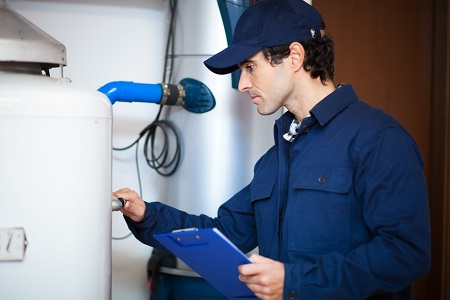
But that convenience comes at a price: no inspection may lead to disastrous consequences when it fails down the line. A pre-purchase house inspection can help mitigate any future heartache so don’t skip out on understanding why it should be done and what to expect from your inspector today!

All About Water Heater Inspection

A comprehensive water heater inspection goes beyond just a single test; for instance, checking to see if hot water is being provided. During an in-depth assessment of your appliance, professionals look out for much more than this basic feature – proving that expert attention can be invaluable when it comes to ensuring safe and efficient operation.

Fuel Safety Inspection

Water heaters, which rely on either electricity or gas power sources to operate safely and effectively, are subject to different safety standards. For example, in the case of a gas water heater inspection – checking for the integrity of fuel supply lines and shutoff valves is essential; as is ensuring adequate venting which prevents carbon monoxide build-up inside homes. Soot around flues and vents should be evaluated during an inspection since it potentially indicates hazardous conditions.

Water Tank Pressure

When you inspect a water heater, the pressure relief valve is an essential safety check. This valve allows any excessive pressures to be released before they become potentially harmful; avoiding potential tank ruptures or explosions. An inspection provides peace of mind that this important component is working correctly and not leaking hot fluid into your home.

Operating Temperature

It pays off to have your hot water heater regularly inspected. Not only can it help prevent scalding, but setting the temperature at 120ºF also contributes to a reduced utility bill! A professional inspection by a plumbing contractor will ensure you are well-equipped with both safety measures and energy efficiency.

Installation

A properly installed water heater is an essential requirement for a comfortable and safe home. Your plumber can guide you in finding the ideal placement that meets all manufacturer’s clearance requirements, making sure it sits conveniently along your external wall with its flame or sparking mechanism at least 18-inches off the floor.

Suitability and Efficiency

Having a functioning hot water heater is essential to ensure you have the hot water you need at any given time. To make sure your home has just what it needs, assess whether or not the size of your current tankless water heater meets its requirements in terms of temperature rise and flow rate. The best way to do this? Count up all potential sources that require heated water (showers, dishwashers, sinks – even washers!).

Outfitting your home with the right tankless water heater in Myrtle Beach requires you to be aware of several factors. You’ll need to measure the flow rate for each hot-water outlet and consider for how long it will be used; a standard showerhead uses about 2.5 gallons per minute, while a modern dishwasher can consume 3 g/m if not built with its own heating system. The tankless unit also needs to meet certain temperature rises — gas units handle up 70°F across 5g/m of flow rates, electrical ones managing 90°F or lower over 2g/m respectively – so that what comes out at point of use is warm enough (70°F minimum) but not too much (some dishes washers don’t require higher than 104 ° F).

Choosing the right water heater with a tank can be tricky. Start by looking at its first-hour rating, which is stated on new models and indicates how many gallons of hot water it will supply per hour when starting from full capacity. Then calculate your peak demand – what you typically use during times that require higher volumes of hot water simultaneously (for example morning showers while running the dishwasher). Once you know both figures, select one where the first-hour rate meets or exceeds your expected usage within two gallons for optimal performance!

Call Blue Ribbon Plumbing LLC now if you need help with your water heater or any other plumbing issues.

Like our Facebook page for more great info about plumbing services.

Blue Ribbon Plumbing LLC
4201 Carolina Exchange Drive Suite 202
Myrtle Beach, SC 29579
(843) 267-9733

Home – Myrtle Beach Plumber

Serving all of Horry County including Myrtle Beach, North Myrtle Beach, Little River, Murrells Inlet/Garden City, Surfside Beach, Carolina Forest/Forestbrook, Conway/Aynor

water heater

Is Your Water Heater Dying?

A quality water heater can be a long-term investment, providing up to 10 years of reliable hot water service. However, factors like local climate and your home’s unique water characteristics may reduce – or even extend! – its lifespan; proper maintenance is the key factor in optimizing performance over time.

To get the most out of your water heater, regular maintenance and timely repairs are essential. Additionally, adding a water softener to your home will help improve the quality of H2O in order to preserve its longevity.

Our local plumbers in Myrtle Beach are here to help if your water heater is showing signs of distress. Watch for issues such as an increase in energy bills, strange noises coming from the unit, rust-colored hot water or leaking around the base – these all indicate that it’s time for professional plumbing repairs! Give us a call today and get back on track with clean, reliable hot water once again.

Water Seeps or Leaks From the Water Heater

Has your water heater been feeling a bit leaky lately? Do you notice any dampness around its base or on the walls nearby? If so, it could be time to call in an expert – your water heater may need some attention!

Although the metal tank of a water heater is designed to withstand thermal fluctuations, relentless contraction and expansion over time can weaken key connection points. Consequently, potential leaks may be created which could lead to costly damage if left unaddressed.

Unusual Noise

A common sign of mineral scaling buildup in your water heater is a low rumbling sound or pops. If you start to hear these sounds, it’s time to call the professionals for an assessment – but don’t expect this fix-all solution! Ultimately, replacing the entire unit may be required. A qualified plumber can flush out any current minerals and make sure that everything is running smoothly until budgeting allows for a new installation.

Noticeable Rust

As water heaters age, visible rust can accumulate on their exterior – indicating corrosion and potential failure. Don’t wait until the metal connections fail or your tank ruptures to replace an aging device: when you start seeing signs of damage outside, it’s time for a new unit!

Changing Water Temperatures

As your water heater ages, it may become less reliable in providing consistent temperatures. If you’re noticing hot and cold fluctuations during showers or other activities that use running water, this could indicate its demise – a phenomenon known as the ‘cold water sandwich’. Avoid any more surprises by calling out an expert for repairs or replacement before it’s too late!

Decreased Water Temperature

Is the hot water in your home suddenly not so, well, hot? It may be due to a malfunctioning heating element inside your water heater. If you haven’t adjusted any settings on the appliance yet and are still experiencing oddly cold showers or sinks full of tepid water, it might be time to enlist an expert plumber for inspection and repair – or even replacement – work.

Less Water

If you notice that your hot water supply has been running out quicker than it used to, the likely culprit is an aging water heater. As time passes and its heating element starts reaching the end of its lifespan, it can no longer generate sufficient heat for a full tank of hot water – resulting in lower temperatures or even complete depletion after just one shower!

Find A Professional Plumber

If your water heater is acting up, it may be time for a change. Don’t let these common signs pass you by: have a professional take a look and determine the best route – from simple plumbing repairs to full replacements. Getting ahead of any problems now can save on costs down the line!

Call Blue Ribbon Plumbing LLC now if you need help with your water heater or other plumbing problems.

Like our Facebook page for more great info about plumbing services.

Blue Ribbon Plumbing LLC
4201 Carolina Exchange Drive Suite 202
Myrtle Beach, SC 29579
(843) 267-9733

Home – Myrtle Beach Plumber

Serving all of Horry County including Myrtle Beach, North Myrtle Beach, Little River, Murrells Inlet/Garden City, Surfside Beach, Carolina Forest/Forestbrook, Conway/Aynor

water heater

Indications That You Need Water Heater Repair

Although you might not think much about your water heater, they get a lot more attention when they stop working. You can find many signs that your water heater is failing. These symptoms can indicate a problem with your water heater and could be dangerous for your health.

Broken Water Heater? Check out these common issues:

Inconsistent water temperature

If your water temperature is inconsistent, it could indicate that your heater isn’t working properly. A problem with your thermostat could indicate an issue, but inconsistent water temperatures could also be a sign of a larger issue. If your water does not heat up for long enough it could be a sign that something is wrong. You may just need to upgrade your tank. A licensed plumber can inspect your water heater if inconsistent heating is a problem.

Low water pressure

Low water pressure could also indicate that your heater is having problems. Water pressure can be affected by many factors. However, low water pressure is a sign that your heater is acting up. Over time, sediment builds up inside the water heater, leading to reduced flow and blockages. You can call a plumber in Myrtle Beach to clean out the pipes or replace them. A plumber might be able to clean and flush the sediment from pipes if you have a more recent model water heater.

Discolored water

Your water heater may be corroding if your water becomes murky or rusty. Rust can quickly build up in a water heater tank, which can cause discolored water and bad taste. While it is unlikely to cause any damage, rust can lead to the destruction of your appliances. It’s not something you want to use for washing dishes or showering.

Strange Noises

Water heaters produce some noises as part of normal operation. However, if your water heater is making unusual sounds, it could indicate that your heater needs to be repaired. You may hear a clicking or rumbling sound from your water heater. This could be due to sediment buildup. A popping sound can also be caused by excessive sediment buildup. You might also need to flush out your tank and replace your anode rod. Contact Blue Ribbon Plumbing LLC to get reliable plumbing services in Myrtle Beach.

Eggy Smell

It’s not fun to have water that smells like rotten eggs. This is often an indication that your water heater may be having problems. Other water problems, such as sulfur bacteria, can also make your water smell like eggs. However, if your hot and warm water supply is the issue, you can assume that your water heater is the culprit. The warm and humid conditions in a water heater are ideal for sulfur bacteria. Your tank can become contaminated and give off an unpleasant smell like rotten eggs.

It doesn’t necessarily mean your water heater has failed, but an eggy odor is something you should address immediately. Some people recommend using bleach to kill the sulfur bacteria. This can be difficult to do so you might want to temporarily raise the temperature of the tank to kill the bacteria. Alternating the magnesium anode can be done. Aluminum rods are more likely to produce sulfide bacteria than magnesium rods. This might be beneficial if your water has a sulfur smell.

Broken Water Heater No More

It’s important to take care of any problems with your water heater immediately to prevent more serious issues later. Many of these problems can be repaired without replacing your entire water heater. This means you can enjoy hot showers again at no additional cost.

Contact Blue Ribbon Plumbing today to get your water heater checked and repaired.

Like our Facebook page for more great info about plumbing services.

Blue Ribbon Plumbing LLC
4201 Carolina Exchange Drive Suite 202
Myrtle Beach, SC 29579
(843) 267-9733
https://www.blueribbonplumbingmb.com/

Serving all of Horry County including Myrtle BeachNorth Myrtle BeachLittle RiverMurrells Inlet/Garden CitySurfside BeachCarolina Forest/ForestbrookConway/Aynor

water heater

Why is My Water Heater Leaking?

Nobody likes standing in their basement, ankle-deep in cold water as they wonder “why is my water heater leaking?” Or suddenly feeling water dripping on their head from the ceiling while lounging on the couch. The last thing you want is a busted water heater causing water damage to your carpet, photos, comic books, or other valuables.

That’s why we put together this guide, so you can see our top reasons for a water heater leaking – and avoid the dreaded flooded basement fiasco from a water heater burst. Read on for our most common culprits behind a leaking or busted water heater, and how to fix them. How can my water heater leak? Your guide to common causes of a faulty water heater

Water Heater Rust & Sediment Buildup

Water heaters are mostly made from steel. Steel is mostly iron, and yes, you guessed it right, iron rusts. An anode rod is a protection that water heaters use to prevent rusting. However, over time, your anode could wear down and fail, which can cause your heater to leak from its top anode. We recommend that you call a plumber if your hot tap water becomes a gross, rusty brown color.

Hard water runs through most of the water heaters in many homes. Hard water contains small amounts of minerals that can settle in the tank of your heater. This can cause a layer of sediment that prevents water from reaching the burner.

What does this all mean? This means it takes longer for water to heat, which can lead to overheating, general degradation, and most importantly, leaks from your water heater’s base. This problem can be avoided by draining the water and flushing out sediment every year. But if you don’t, you can be expected to face some of the problems listed below.

A Drain Valve Leak

A leaking drain valve could be the reason your water heater is leaking. A flooded basement could occur if the drain valve is damaged. To remove sediment from hot water tanks, drain valves are installed. The leak in your water heater could be caused by a loose valve.

Leakage in an Internal Tank

An internal tank leak is the most common reason your water heater is leaking from its base. Your water heater could be leaking because of internal damage to its tank. It could be that your tank has been contaminated with sediment for a long time. This could lead to corrosion and cracking of the tank shell. To check for serious internal problems, inspect the tank from the outside. In most cases, replacing the water heater will be the only way to fix it.

Air Pressure

When the outside water pressure is too high, or the temperature rises too much, excess air pressure can build up in your water heater’s tank. These problems can be avoided by setting your water heater at 120-125 degrees.

We recommend that you keep an eye on the temperature and pressure relief valve of your water heater, called a temperature control valve. It is located on the tank’s top or side and releases the heater’s tank’s pressure when needed. If the valve does not leak water, it is best to replace it immediately. Tip: Avoid replacing the valve with a plastic one if you can. They are cheap and will soon break again.

Time

Your water heater could also be at risk of aging. Hot water heaters can last between 8 and 10 years. Basic leaks can occur at the end of their useful life. These potential leaks can be caused by corrosion, sediment damage over years, or the inevitable damage of aging.

Call Blue Ribbon Plumbing LLC now if you need help with your water heater or your home’s plumbing system.

Like our Facebook page for more great info about plumbers.

Blue Ribbon Plumbing LLC
4201 Carolina Exchange Drive Suite 202
Myrtle Beach, SC 29579
(843) 267-9733

Home – Myrtle Beach Plumber

Serving all of Horry County including Myrtle Beach, North Myrtle Beach, Little River, Murrells Inlet/Garden City, Surfside Beach, Carolina Forest/Forestbrook, Conway/Aynor

water heater

Tips On Increasing Water Heater Efficiency

Did you know that heating water can account for nearly 20% of your home’s energy bill? Heating water takes more energy than any other household task. You’ll feel the effects even more if your water heater isn’t working as intended.

Inefficient water heaters perform less than they should and can cost you more each month. This is a losing situation that can only get worse over time. There are some proven ways to increase the efficiency of your water heater. These five easy projects can make your water heater more efficient and help you save money:

Step 1: Drain Water Heater Sediment

Minerals like calcium and magnesium build up over time in your water heater tank. These minerals settle to the bottom of your tank, hardening and forming sediment. The sediment can cause your system to work harder to heat your water. Overworking your water heater can lead to ruptures and overheating. Water heater sediment can be easily removed by draining the tank completely and flushing it with cold water once a year to maximize efficiency.

Eliminating sediments from your heater will make it run more efficiently and help prevent costly repairs. Flushing your water heater can be done easily by anyone with the right tools. It is possible to hire a professional plumber in Myrtle Beach to flush your water heater as part of larger water heater maintenance calls.

Step 2: Insulate water pipes

The heat tends to quickly dissipate, especially in pipes and water tanks. This is normal, but it can also cause your water heater to not heat as efficiently as it should. To compensate for heat loss in your pipes, you will need to heat more water. Your water heater will use more energy if you heat more water. This will result in higher electric bills. Insulating water pipes reduces heat loss and increases efficiency. Insulating your pipes will ensure that heat does not escape from the system. You could also switch to a tankless water heater to skip this step.

Step 3: Use low-flow fixtures

Low-flow plumbing fixtures can be another way to save money over time, and without requiring too much effort or time upfront. Low-flow fixtures reduce water flow so less hot water is wasted. Traditional fixtures can be replaced with Low-flow faucets and shower heads to save up to 50% on your water consumption. These are more expensive upfront, but they will save you money in the long term, especially if your family member is notorious for taking hot, long showers.

Step 4: Set your Water Heater to 120 Degrees Fahrenheit

It’s a fact that every water heater comes with a thermostat built in. The thermostat tells the system how hot it needs to heat water in the tank. Your system’s heat output will determine how hot your water is. The longer your system runs, the more energy it uses. You should change the thermostat setting on your water heater if your hot water becomes too hot or appears dangerously hot. Your water bills will be lower if you turn down the thermostat, preferably 120 degrees Fahrenheit.

Step 5: Fix Plumbing Leaks

Water heater leaks often begin at the heater itself. Check around the tank of your water heater for visible leaks. These leaks could be caused by the temperature-pressure relief valve or drain valve. Temperature-pressure relief valves can leak to release pressure, as intended, or simply because they are faulty. Also, check the water pipes around fixtures such as sinks and showers. For assistance in detecting or fixing plumbing leaks, contact your local plumber.

Call Blue Ribbon Plumbing if you need help with water heater installation, repair, and maintenance. You may also reach out to us for other plumbing needs. Contact us today!

Like our Facebook page for more great info about plumbing services.

Blue Ribbon Plumbing LLC
4201 Carolina Exchange Drive Suite 202
Myrtle Beach, SC 29579
(843) 267-9733
https://www.blueribbonplumbingmb.com/

Serving all of Horry County including Myrtle BeachNorth Myrtle BeachLittle RiverMurrells Inlet/Garden CitySurfside BeachCarolina Forest/ForestbrookConway/Aynor

water heater

How to deal with a hot water heater that leaks

There is always the possibility that your water heater might leak. The good news is that most water heater leaks are small and can be fixed quickly.

The best part?

To make the process even simpler, there are several things you can do prior to calling a plumber.

WHY DOES MY WATER HEATER BREAK?

Water heater leaks are most commonly caused by:

Broken drain valves can cause water to leak from the bottom of your tank. You can easily fix them by replacing the damaged drain valve.

Corrosion: The buildup of sediment can cause cracking and corrosion in the tank’s bottom. It’s time to replace your water heater when this happens.

Leakage can be caused by loose water line connections. The problem can be corrected by replacing or tightening the worn water lines.

Broken pressure/temperature valves: These valves, as their name implies, monitor and regulate water heaters’ temperature and pressure. They can break and cause water leakage from the tank’s sides.

Water heater leaks can be caused by many other factors. A professional plumber in Myrtle Beach is the best way to find out what is causing your water heater to leak.

WHAT TO DO IF YOU FIND A WATER HEATER LEAK?

These are the steps to fix water heater leaks:

If you discover a hot water leak, you must immediately cut off the power. Turn off the power source that is causing the hot water leakage

Locate your gas water heater thermostat. There should be a small knob with three settings: OFF, ON, and PILOT. To turn off the gas, switch it to OFF/PILOT. This will make the heater safe for use.

Electric water heater: Look at your breaker panel for the breaker marked “water heater”. To turn off the unit’s power, switch it off.

Turn off the water supply. Locate the cold water connection to the heater and turn it off. The line should have a valve. Turn it to the right until the valve closes. This will shut off the water supply and allow you to move on to the next stage.

Drain your water tank: This is essential if you have a tank water heater. This is also the most difficult step. Drain your water heater tank

Attach a garden hose or a drain valve to the bottom of your water heater.

Then, run the hose to a sump pit or floor drain.

Once the hose is in place, you can open the valve. On older hot water heaters this might look like an ordinary tap; on newer systems, there’s a drain stem that accepts a screwdriver.

NOTE: If you open the drain valve, the water may not flow properly or stop flowing. This is due to a vacuum inside the water heater.

Open any hot water tap in your house to break the vacuum. This will allow air to enter the tank, allowing it to drain faster. The whole tank should drain within an hour after you have established a good flow.

Call Blue Ribbon Plumbing LLC now if you’re looking for a reliable plumber to help you with your water heater problems.

Like our Facebook page for more great info about plumbing services.

Blue Ribbon Plumbing LLC
4201 Carolina Exchange Drive Suite 202
Myrtle Beach, SC 29579
(843) 267-9733

Home – Myrtle Beach Plumber

Serving all of Horry County including Myrtle Beach, North Myrtle Beach, Little River, Murrells Inlet/Garden City, Surfside Beach, Carolina Forest/Forestbrook, Conway/Aynor