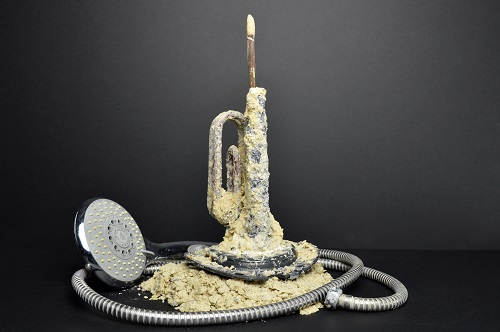
 You might have grown up with a feeling of being squeaky clean after the soap is rinsed out. Hard water homes don’t have the same luxury. Hard water can leave a residue or film behind when you wash your hands, clothes, dishes, or laundry. It can also be damaging to your home appliances and plumbing system. Here’s what you need to know about hard water damage.
We’ll cover all you need to understand about hard water today. Below, you can learn more about the damage caused by hard water and possible solutions with and without the help of a plumber in Myrtle Beach.
What is hard water?
Hard water is any water that contains high amounts of minerals such as calcium and magnesium.
While water is traveling through the earth’s soil and atmosphere, it absorbs minerals that are naturally occurring. Hard water contains traces of other minerals, including iron, zinc and barium. The more minerals in the water the harder it is.
What Damage Can Hard Water Do to Pipes?
Your plumbing system will not appreciate hard water. Hard water can cause limescale buildup, which will eventually clog drains and decrease water quality. Here are four different ways that hard water can harm your home, and why it is important to consider a water conditioner.
1. Unsightly Scale
85 percent of Americans have hard water because ancient seabeds, mountain aquifers, and other natural minerals such as calcium, magnesium, and chalk are abundant. These substances do not affect the drinking water’s health, but they can cause unsightly scaling. Limescale can appear everywhere when you use hard water to cook and irrigate. From the jets in your bathtub to the drip tray at the bottom of your refrigerator’s ice and water dispenser, it is possible. You may notice that your brick, stucco or siding can appear white, chalky, or rusty if streams of water are hitting your home from outside sprinklers.
Although these accumulations are easily removed using CLR or vinegar it can be difficult to remove them from hard-to-reach areas such as the side of your house. Some accumulations can make people question how sanitary and clean your home is. Water softeners remove trace minerals, allowing your water to be a bit cleaner. Water softeners work by circulating the water through resin beads that are negatively charged. This helps to reduce problems and prevent stains.
2. Clogging Plumbing
When you live with hard water, stains will be the least of your concerns. Hard water can cause drain clogs over time, but in a different way than you may think. The minerals in hard water may not be large enough to clog drains, but they can react with the soap and create soap scum. This soap scum can then harden in your pipes as it moves down. As hard water passes through, soap scum curds may harden and become solid blocks.
These blockages can cause drains to slow down, clog up toilets, or interfere with garbage disposals. Clogged pipes can cause problems such as joinery gaps and pinhole leaks. They also create a health hazard in your home. The more often your pipes become clogged, the more pressure is put on the pipes. This can cause issues such as drips in walls, mold, or even flooding. Consider a whole-home softening or filtration unit to save time and money. You can protect your plumbing and reduce downtime by filtering and softening the water before it enters your home.
3. Interrupting Water Sprayers
Blockages can quickly occur when hard water is forced through small spaces, such as the spray jets of shower heads or dishwasher arms. This makes the appliance or plumbing fixture less efficient. The more spray jets clogged up, the less water can pass through, causing the appliance to be less effective and affecting cleaning.
 The Water Quality Research Foundation conducted a study on the impact of hard water on appliances. It found that after nine months, shower heads could lose up to 75 percent of their flow. Water heaters did not even make it through the entire test. Appliances that use soft water remain efficient, functional, and attractive. Soft water can double the life of certain appliances because it removes fine particles from water. Water softeners can last up to 15 years and are a wise investment. They prevent sudden appliance failures.
4. Increased Soap Residues
Many people with hard water think they need to use more detergent, shampoo, or dish soap because hard water prevents soap suds from forming. Using extra soap can damage your appliances and increase your monthly grocery bill. Many soaps and softeners have small amounts of animal oil, which can build up in places such as dishwashers, washers, and drains.
This animal fat will eventually start to produce foul smells. For example, the characteristic front-loading washing machine smell. Water softeners can reduce your soap usage, which will prevent problems. Consider upgrading your water softener today.
Blue Ribbon Plumbing LLC can help you if you’re worried about your appliances being damaged by hard water. We have more than 50 combined years of experience, and we are committed to providing the best service to our customers. We can test your water and find you a water conditioner that is right for your home.
What is the best solution for hard water damage?
Many homeowners use DIY water softening solutions without investing in an effective water purification system. These “solutions” can be as difficult to maintain as hard water. Installing a water filter system in your home with the assistance of a plumber is the BEST way to ensure that only clean, fresh water flows through your plumbing. Installing these water purifiers at the bottom of your water supply lines will allow you to treat water as it enters your plumbing system.
These water purifiers are strong enough to provide your family with clean drinking water for many years. They are therefore a good investment for homeowners who want to protect their plumbing against hard water damage. Consider upgrading your water treatment system if hard water is clogging up your pipes and leaving behind residue.
Call Blue Ribbon Plumbing LLC now and let our experts deal with hard water damage and other plumbing issues you have at home.
Like our Facebook page for more great info about plumbing repairs, installation, and maintenance services.
Blue Ribbon Plumbing LLC
4201 Carolina Exchange Drive Suite 202
Myrtle Beach, SC 29579
(843) 267-9733
Serving all of Horry County including Myrtle Beach, North Myrtle Beach, Little River, Murrells Inlet/Garden City, Surfside Beach, Carolina Forest/Forestbrook, Conway/Aynor

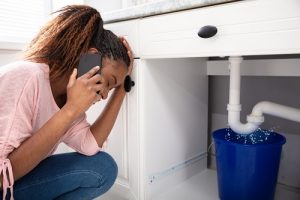 We often neglect the pipelines concealed in the walls of our homes, however, when they fail we start to notice them and wonder what has gone wrong. This is the time when you need the services of an emergency plumber, especially the ones who live near you. Let us take a look at how an
  Check to see if your emergency plumber has other special skills besides dealing with busted pipelines. In addition to handling busted pipelines, they are able to deal with a variety of gas boilers – though sometimes, these are not part of their emergency services. But it pays to have a reliable emergency plumber in Myrtle Beach who can perform additional tasks.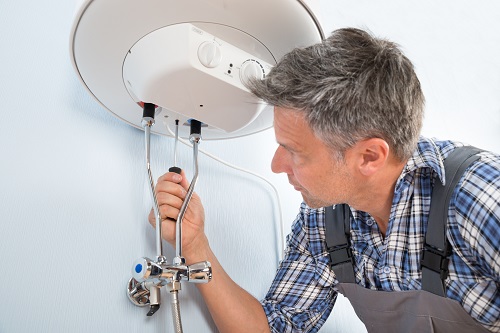
 Water heaters are essential for every home or business. They’re used to showering, cooking, cleaning, shaving, and doing the dishes. Routine water heater maintenance and repair should be on the top of your list, given its importance in your home. If you ignore professional repairs and tune-ups, your unit will perform inefficiently and cause discomfort, increasing your utility bills. Learn the benefits of hiring a professional to repair your
  Enhance the lifespan of your unit
 Water damage can be expensive to repair, replace or restore. It is important to hire a professional plumber for any repair or installation work to ensure that the problem will be resolved properly and not occur again in the future. This article will explain why you should only hire
  Maintenance of Water Heater: Neglecting your water heater is one of the most costly mistakes you can make. Drain the water heater tank at least once a year in order to prevent problems caused by mineral buildup. If your water pressure is less than 40 PSI, or if you have a high level of hard water in the plumbing system, it’s best to drain your tank once or twice per year. You should also hire a professional to thoroughly inspect your water heater. A licensed plumber can ensure that the water is clean, and your unit remains in good working condition.
 Water leaks in your plumbing system can lead to a multitude of problems, ranging from wastage of water to costly damages to your home appliances and property. This is why it is crucial to investigate them quickly and effectively to prevent any potential issues.
 To check the water meter, turn off all your home appliances and fixtures, and make sure that no water is being used in your house. Check the digits on the water meter and jot them down. Wait for around an hour or so, and check the digits again. If you notice that the digits have increased even though no water is being used, then this is a sign that you have a
  If you are unsure about how to detect water leaks in your plumbing system or are unable to locate the source of the leak, it’s always best to seek the help of a
 Some things are best left to the experts. This is why it’s better to call a professional
 Clogged drains, toilets, leaky pipes and faucets, water heater problems, low water pressure and a running bathroom are the most common
 Drip, drip. Like the tick-tock of a grandfather clock, listening to the rhythmic noise of a
 Homeowners can have a lot of trouble with their